
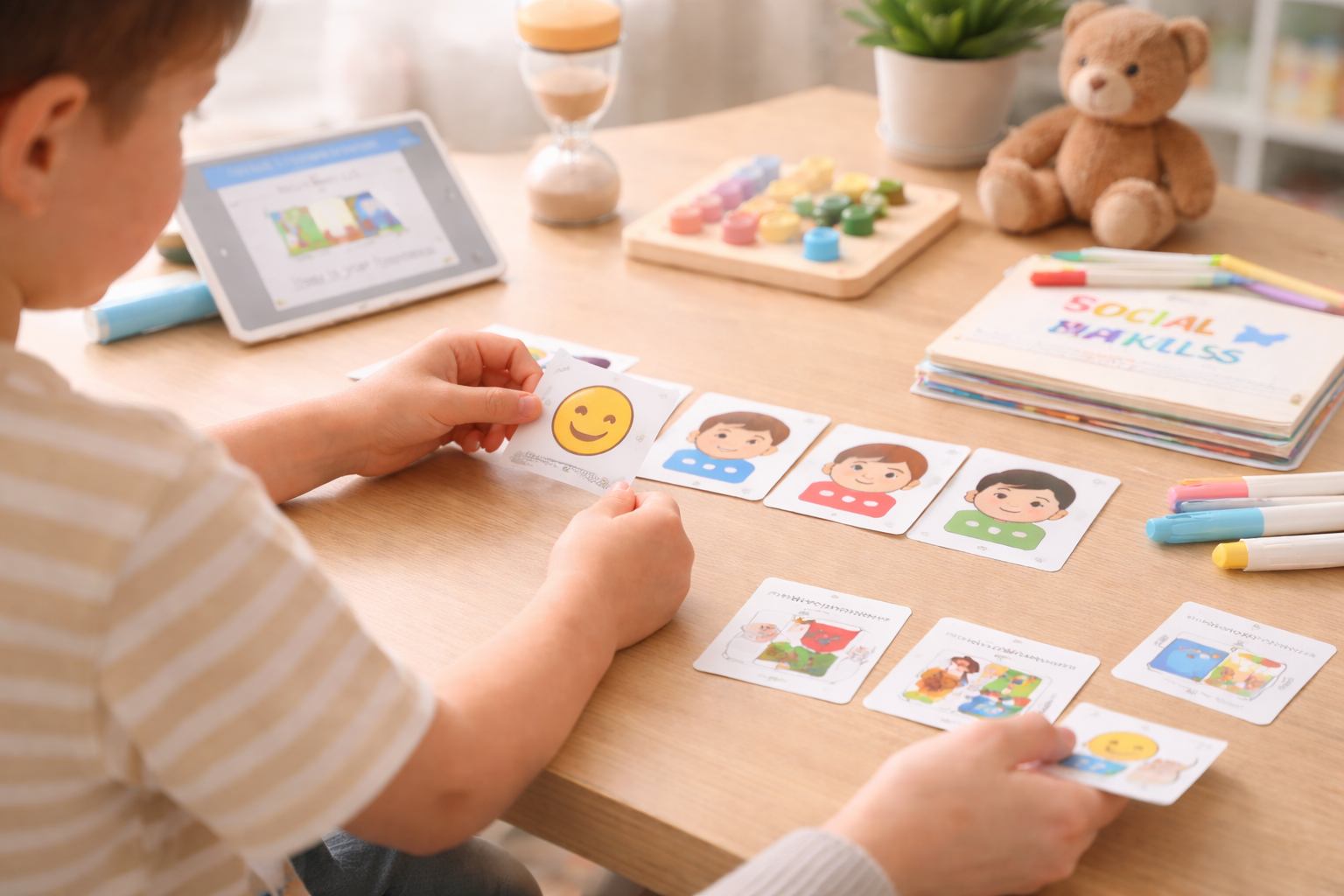
Helping little voices grow stronger every day.
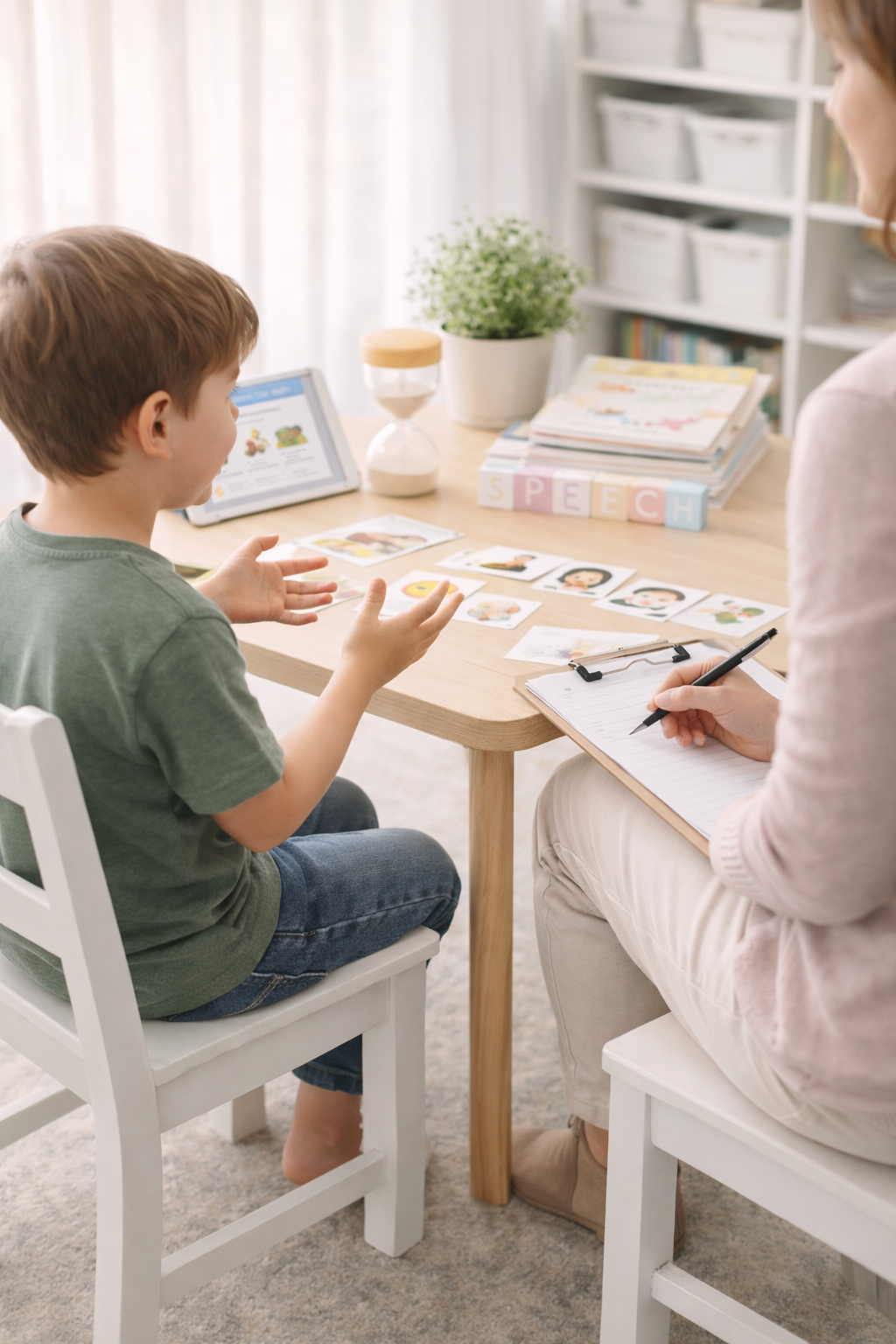
At Talk & Tumble, we believe every child deserves to be heard, understood, and confident in their communication. We provide specialised speech and language therapy for children in a supportive, playful and nurturing environment where learning feels safe and fun.
We partner closely with families to help children build the skills they need to express themselves clearly, connect with others, and thrive at home, in school, and in the community. Every child is unique and so is our approach.
About Us
Our Values
Our work is grounded in empathy, integrity, and a deep commitment to doing what is right for every child. We value honest communication, consistent support, and building trusting relationships with families. We believe in celebrating progress, maintaining high professional standards, and always acting in the best interest of every child.

Our Mission
Our mission is to empower children to find their voice.
We are committed to delivering evidence-based, individualised speech and language therapy that builds confidence, strengthens communication skills and supports each child’s overall development. We strive to create meaningful progress through engaging, goal-driven sessions tailored to every child’s strengths and needs.

Our Passion
We are passionate about unlocking potential.
There is nothing more powerful than watching a child say their first clear word, confidently answer a question in class or express their feelings without frustration. We are deeply committed to making therapy joyful, encouraging and empowering because when children feel successful, they flourish.
We believe communication is more than speech, it’s connection, confidence and independence.

Our Vision
We envision a world where every child feels confident communicating without fear, frustration or limitation.
Our goal is to be a trusted partner for families and a positive force in the community, advocating for early support, inclusive environments and accessible speech services for all children.